Breast Screening Procedures Scrutinize Early Changes
Technologies support the screening procedures for breast cancer.
- A mammography is a screening tool for breast cancer that can help with early detection. Typically screening mammograms are used to look for breast disease in women who are asymptomatic.
- Even so, mammograms do not detect all breast cancers; some breast lesions and abnormalities are not visible or are difficult to interpret on mammograms.
- As well, mammography x-rays use very low levels of radiation this does not increase the risk for breast cancer. Strict guidelines ensure that mammography is safe and uses the lowest dose of radiation possible.
Magnetic resonance imaging (MRI's) and ultrasound are screening procedures that can help supplement mammography by detecting breast cancers that may not be visible with mammography.
- Even though breast MRI's are a sensitive imaging procedure; it can still miss some breast cancers that a mammogram may detect.
- Typically, breast MRI'S are not a replacement for a mammogram, nor is a breast MRI generally recommended as a screening tool by itself.
- Usually, MRI is performed after a biopsy that's positive for cancer. Your doctor may need more information about the extent of the disease. Breast MRI's capture multiple images of the breast.
- For certain women at high risk for breast cancer, a screening with MRI or some other breast-imaging test is recommended in conjunction with a yearly mammogram
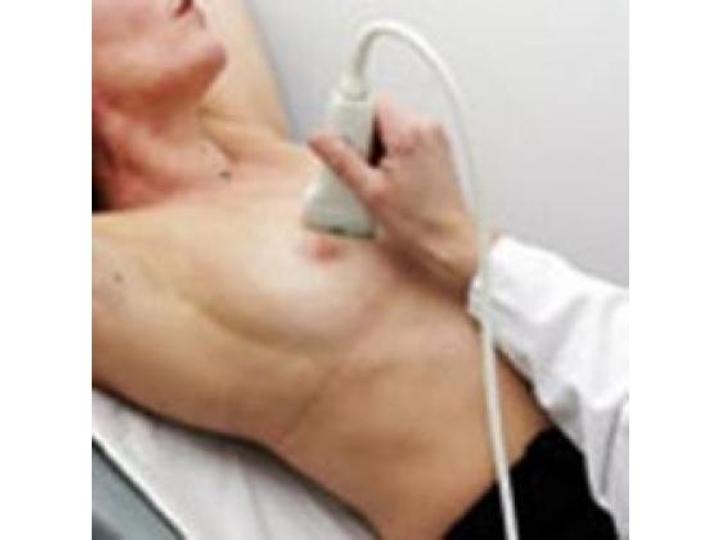
Breast ultrasound is another imaging tool that is used.
- It can detect changes in appearance, size or contour of organs, tissues, and vessels.
- It can identify abnormal masses, such as tumours and lesions in women with dense breasts.
- It may also help detect and classify a breast lesion that cannot be interpreted adequately through mammography alone.
.