Scleroderma Can Be Disfiguring
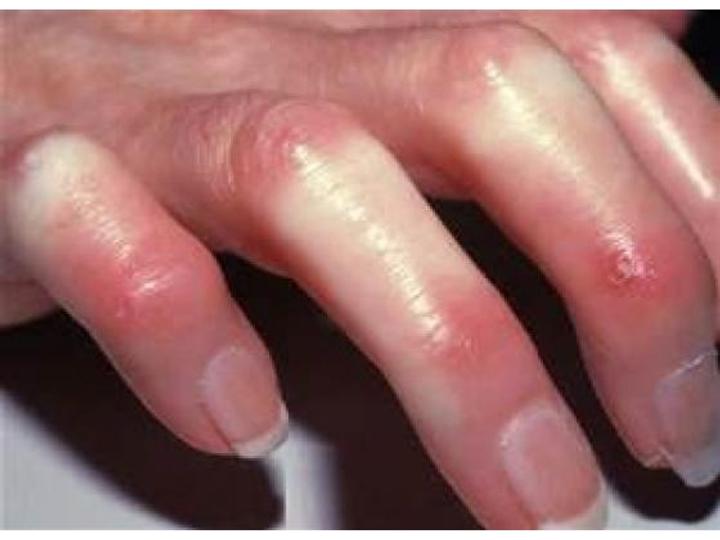
Scleroderma is thought to be an autoimmune rheumatic disorder causing the body to attack and damage its own cells. What sets the body against itself isn’t yet known.
It”s a problem which causes your body to make too much of the protein collagen resulting in a chronic skin disease.The seriousness of the disease depends on which parts of the body are affected and the extent to which it is affected
Types of Scleroderma: There are two major types of scleroderma a localized scleroderma that affects only the skin whilst a systemic scleroderma affects many parts of the body.
Systemic scleroderma includes the skin, blood vessels, heart, lungs, kidneys. Scars can form in any of those organs including your blood vessels resulting in tissue damage that thickens and function poorly.
Skin Effects: Visible skin symptoms of the disease includes small red spots on the face and chest, hardened or thickened skin common on the hands and face.
Other symptoms may include ulcers or sores on fingertips that are painful, puffy or swollen, the same may occur in the toes.The skin gets thick, tight and painful as a result of skin tightening flexibility is reduced in the fingers or toes. Sometimes there is localized inflammation of the joints causing them to become swollen.
Self-care treatment: Some self-care measures include eating healthy, maintaining a sensible weight and practising good hygiene habits of the skin. Adequate rest is essential so don”t overdo things, avoid over-fatigue and make every effort to control or minimize stress.
Currently, there is no cure for scleroderma so the goal of care is to minimize or alleviate its effects and symptoms. Typically scleroderma symptoms can vary from individual to individual so too are personal treatment responses
Medical treatment: An individually designed program to meet the specific needs of a person with scleroderma disease is most important. Your physician will prescribe treatments based on your condition and the extent of organ involvement.
Some medical treatment options may be skin treatments including light and laser therapy or medications of steroids.
Other drugs may be prescribed to help control your immune response and also anti-inflammatory drugs that can help with swelling and pain. Prescriptions may be ordered for physical or occupational therapy.